



Today we’d like to introduce you to Noah Bennett.
Alright, Noah thanks for taking the time to share your stories and insights with us today. Let’s talk legacy – what sort of legacy do you hope to build?
The legacy I hope to build is centered around accessible and engaging education for everyone. I’ve always believed that learning should not feel like a burden or a rigid system, but rather an experience that inspires curiosity and growth. During my early experiences with online education, I noticed how easily students lose interest when content is not interactive or engaging. That realization shaped my mission to build tools and platforms that make learning more dynamic and enjoyable.
I want my legacy to reflect a shift in how people perceive education. Instead of seeing it as something limited to classrooms, I want it to be seen as a continuous and accessible journey. My goal is to design solutions that allow learners to explore concepts in ways that suit their style—whether through interactive modules, visual content, or real-world applications. When people enjoy learning, they are more likely to stay consistent and achieve meaningful results.
Another important aspect of my legacy is inclusion. Many learners face barriers such as lack of resources, guidance, or support. I want to help bridge that gap by creating tools that are simple, affordable, and widely accessible. Education should empower people, not exclude them.
Ultimately, I want to be remembered as someone who made learning more engaging and approachable. If my work can help students feel more confident, curious, and motivated to learn, then I believe I’ve contributed something valuable to the world.
Awesome – so before we get into the rest of our questions, can you briefly introduce yourself to our readers.
I’m an education-focused product developer working on tools that improve digital learning experiences. My journey began when I started noticing gaps in traditional and online education systems. Students often struggled to stay engaged, and teachers faced challenges in delivering content effectively. I became interested in finding ways to solve these problems through technology.
I started by experimenting with small tools that made learning more interactive, such as simple quizzes and visual aids. Over time, these experiments grew into more structured platforms designed to support both students and educators. My work now focuses on creating solutions that simplify complex topics and make them easier to understand.
What motivates me is the idea that education can change lives. When people have access to the right tools and resources, they can unlock their potential and create opportunities for themselves. I enjoy working on projects that have a direct impact on learners and help them succeed.
Outside of my work, I spend time researching new trends in education technology, exploring different teaching methods, and learning from educators. I believe that continuous learning is essential, and I try to apply that mindset in everything I do.
We’d love to hear the story of how you built up your social media audience?
Building my social media audience was a natural extension of my work in education. In the beginning, I started sharing simple insights about learning techniques and productivity tips. I didn’t focus on growing an audience—I was more interested in sharing useful ideas that could help students.
As more people began engaging with my content, I realized that there was a demand for practical and easy-to-understand educational advice. I started creating more structured posts, including step-by-step guides, visual explanations, and short lessons. This made the content more valuable and easier to follow.
Consistency played a major role in building my audience. I made it a habit to post regularly and maintain a clear focus on educational content. Over time, people began to trust my work and rely on it as a resource.
Engagement was also important. I interacted with my audience by answering questions, responding to comments, and encouraging discussions. This helped create a community where people could share their experiences and learn from each other.
Today, my social media presence is a space where learning is simplified and shared. It’s not just about content—it’s about creating a supportive environment where people feel encouraged to grow and improve.
Do you have any insights you can share related to maintaining high team morale?
Maintaining high team morale in an education-focused environment requires clear purpose and strong communication. One of the most important factors is ensuring that everyone understands the impact of their work. When team members know that their efforts are helping others learn and grow, it creates a sense of motivation and responsibility.
Communication is key to maintaining alignment and avoiding misunderstandings. Regular updates, discussions, and feedback sessions can help keep everyone on the same page. It’s also important to create a culture where people feel comfortable sharing ideas and concerns.
Recognition is another essential factor. Acknowledging contributions and celebrating achievements, even small ones, can boost morale and keep the team motivated. People want to feel that their work is valued.
Flexibility and support also play a big role. Every team member has different strengths and challenges, and providing support can help them perform at their best. Encouraging a healthy work-life balance is equally important to prevent burnout.
Ultimately, a positive team environment is built on trust, respect, and shared goals. When people feel valued and supported, they are more likely to contribute effectively and stay motivated.
Contact Info:
- Website: www.testtestarticle.com
- Instagram: @noahbennett
- Facebook: Noah Bennett
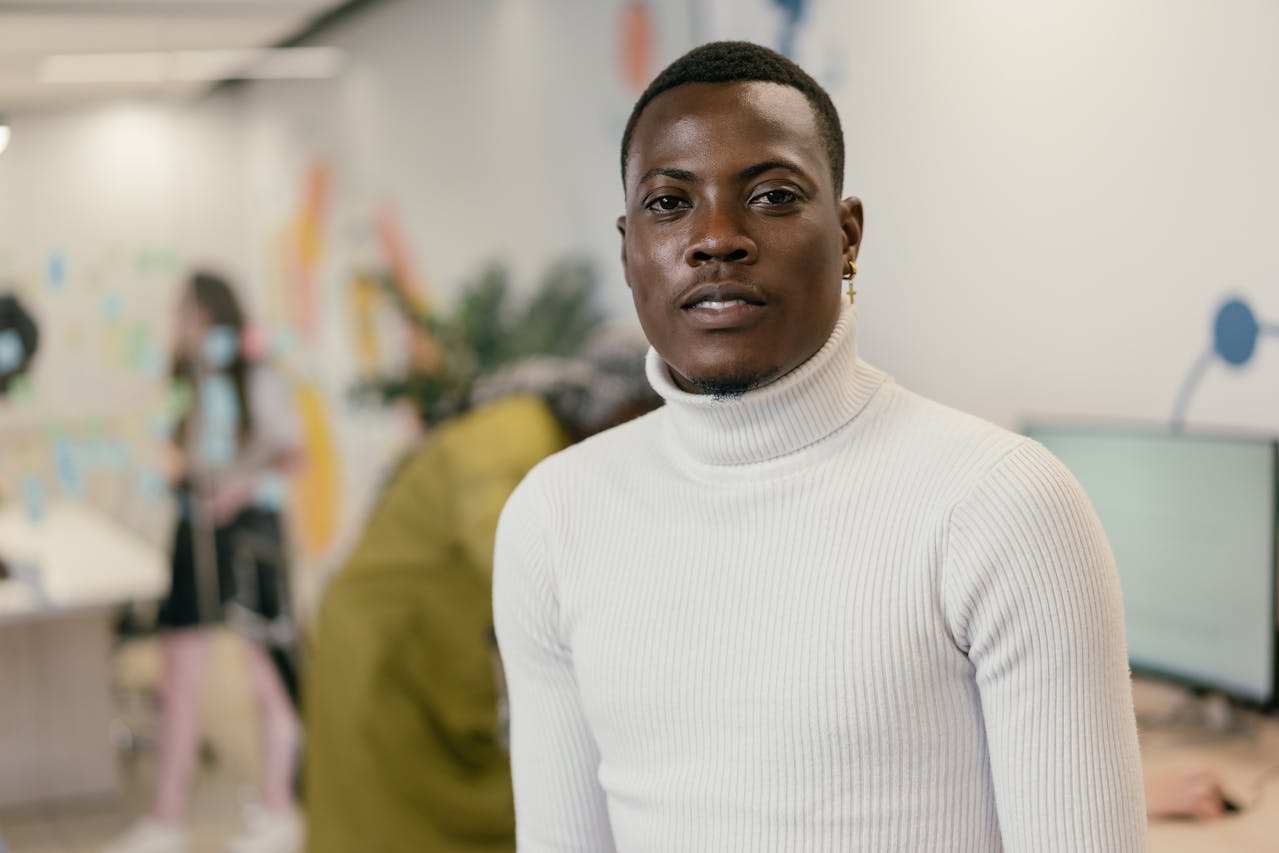



Image Credits
Test Article Media
Suggest a Story: VSite is built on recommendations from the community; it’s how we uncover hidden gems, so if you or someone you know deserves recognition please let us know here.